Optimal Timing for Tree Removals
Tree removals are most effective when performed during specific times of the year to minimize impact on the tree and surrounding environment. The optimal period generally depends on the tree species, local climate, and specific removal reasons. Proper timing can also reduce risks associated with the removal process.
Spring is suitable for removing trees that are less active and when the risk of disease spread is lower. It allows for quick recovery and growth if needed after removal.
Summer removals are ideal when trees are fully leafed out, making signs of disease or damage more visible. However, high temperatures require careful planning to avoid heat stress.
Fall offers cooler weather and less sap flow, which can make the removal process cleaner and less stressful for remaining trees. It is also a good time for safety and accessibility.
Winter is often considered the best time for tree removal, especially in colder climates. The dormancy period reduces the risk of disease transmission and minimizes disruption to landscape aesthetics.
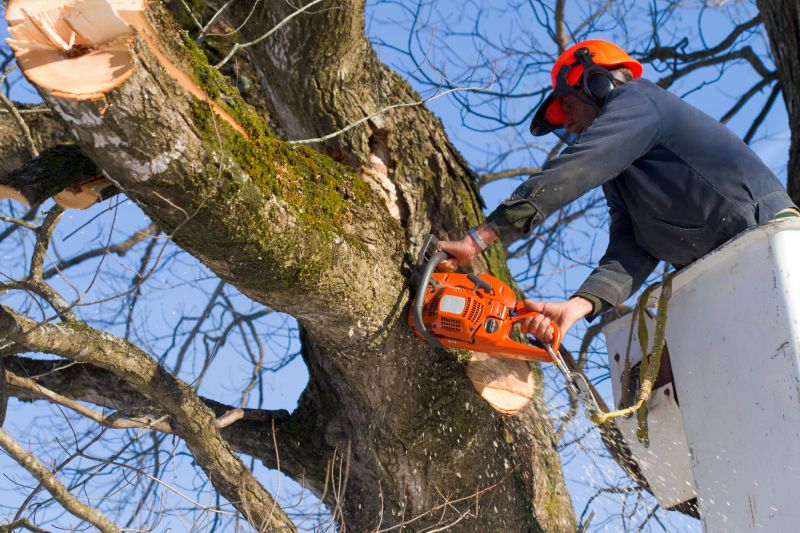
Winter tree removal minimizes damage to surrounding vegetation and reduces the risk of disease spread.
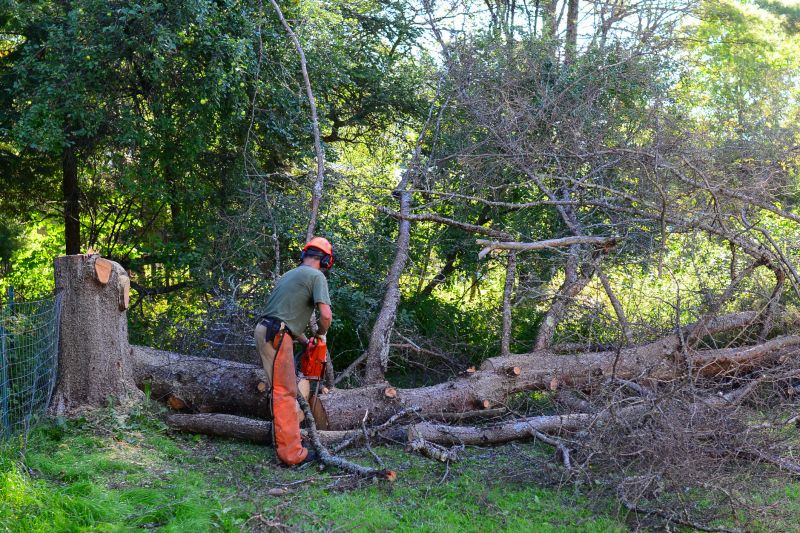
Spring removals are effective for trees that are less active, promoting quick recovery.
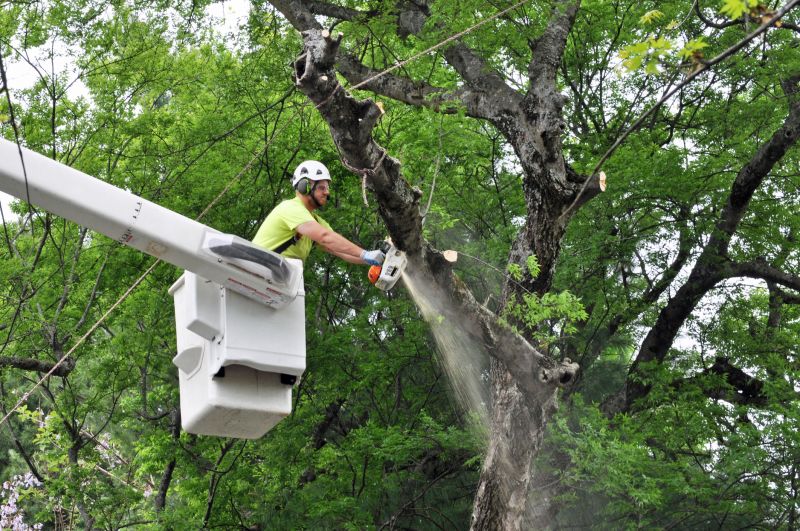
Summer offers full foliage for better visibility, but requires precautions against heat.
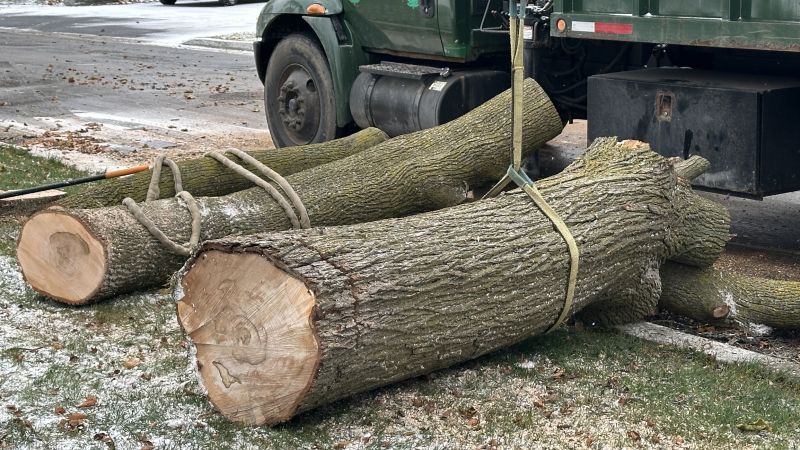
Ways to make Tree Removals work in tight or awkward layouts.
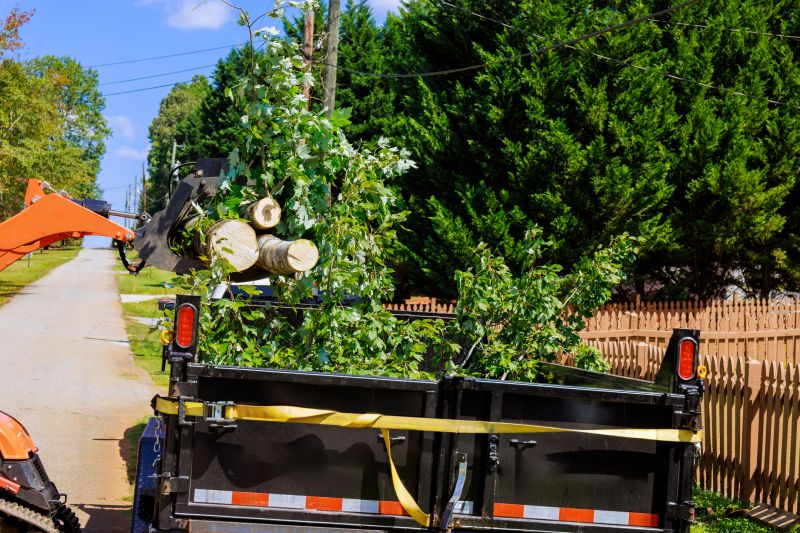
Popular materials for Tree Removals and why they hold up over time.
Simple add-ons that improve Tree Removals without blowing the budget.
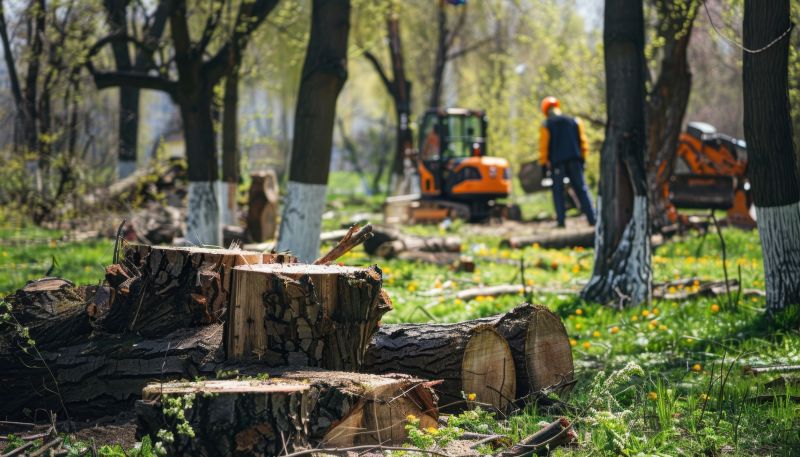
High-end options that actually feel worth it for Tree Removals.
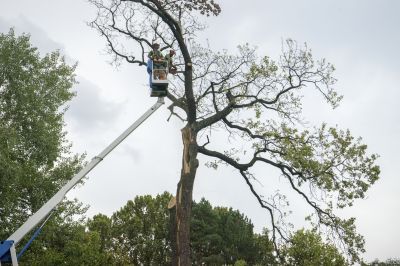
Finishes and colors that play nicely with Tree Removals.
Tree removals involve carefully planned procedures to ensure safety, efficiency, and minimal landscape disruption. Proper timing is crucial to reduce hazards and promote healthy landscape management. Statistically, the majority of professional removals are scheduled during winter months, owing to the dormancy period that benefits both the tree and the surrounding environment.
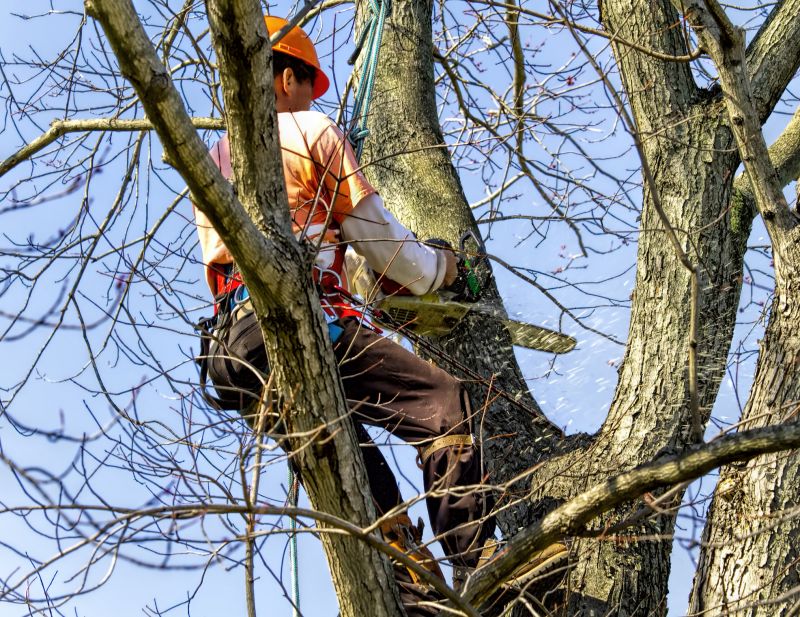
Specialized equipment ensures safe and efficient tree removal.
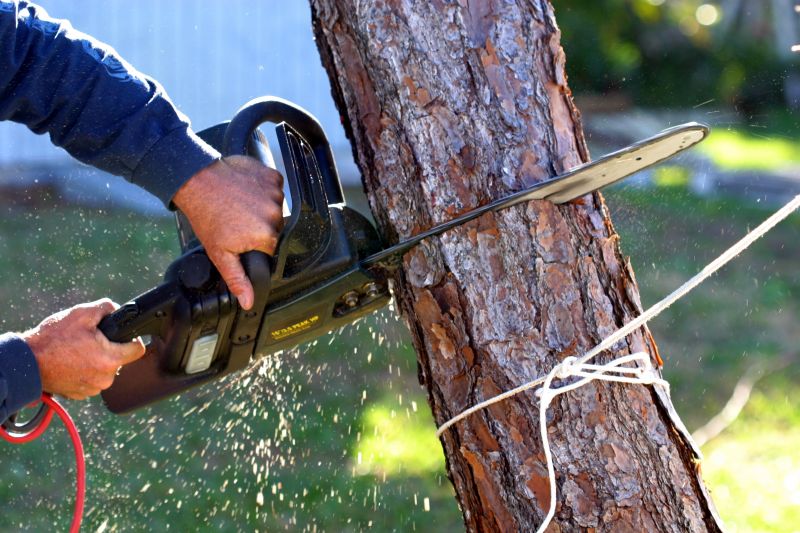
Proper techniques prevent damage to nearby structures.
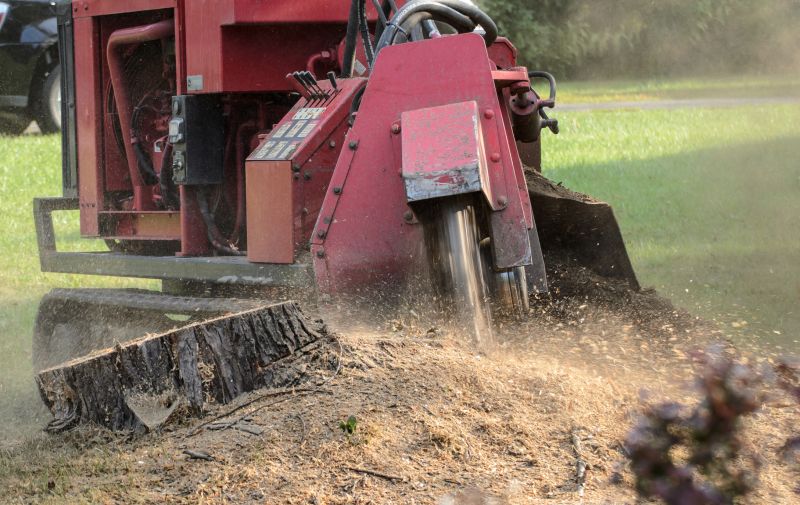
Post-removal stump grinding is often performed for landscape safety.
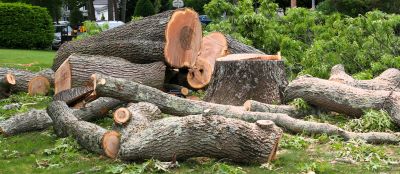
Proper aftercare supports landscape health and aesthetics.
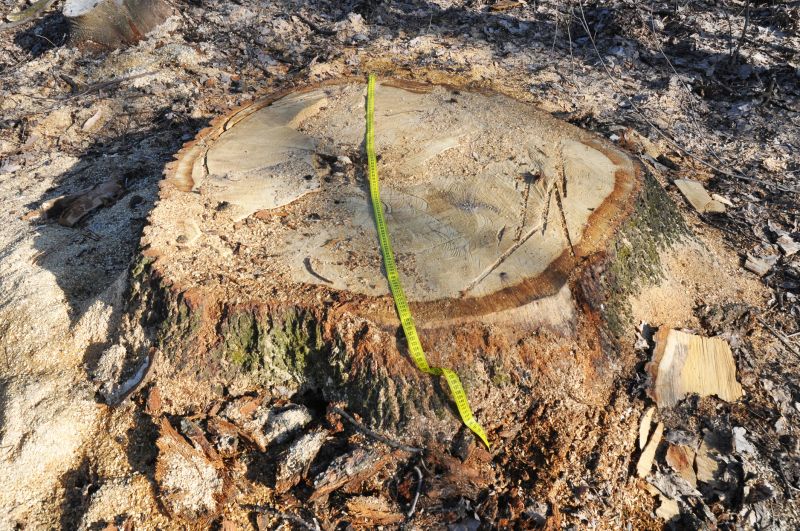
Little measurements that prevent headaches on Tree Removals day.
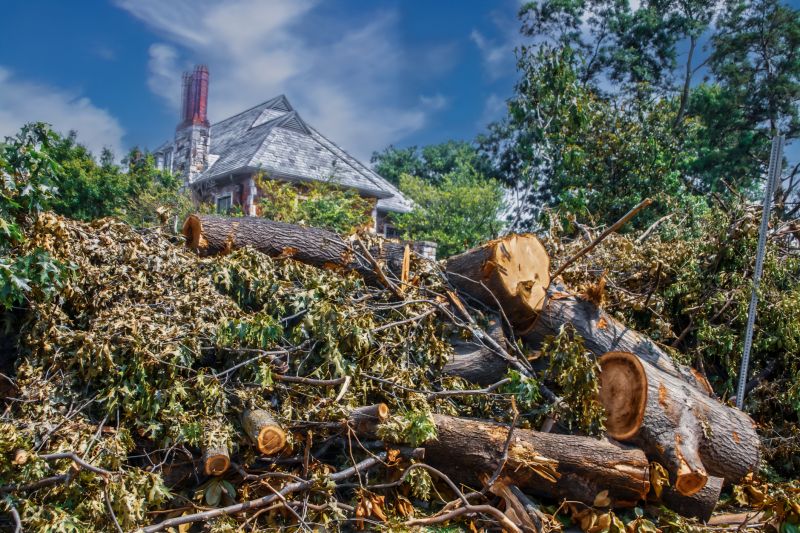
A 60-second routine that keeps Tree Removals looking new.
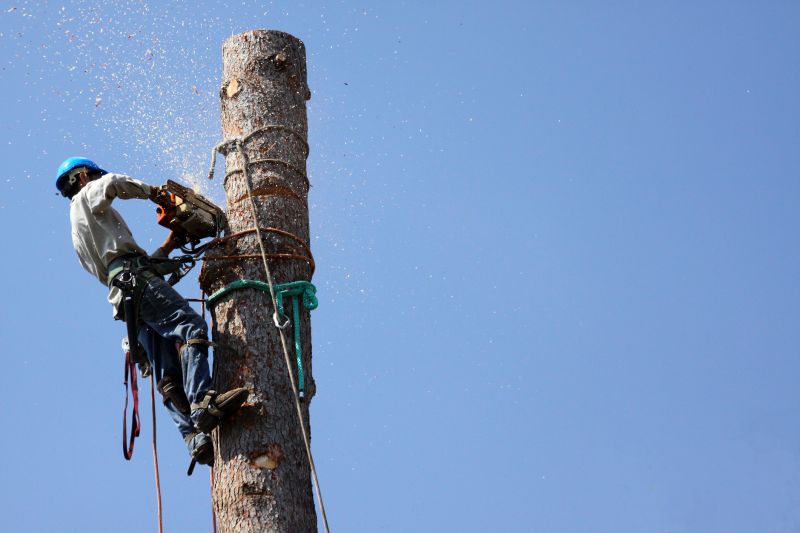
A frequent mistake in Tree Removals and how to dodge it.
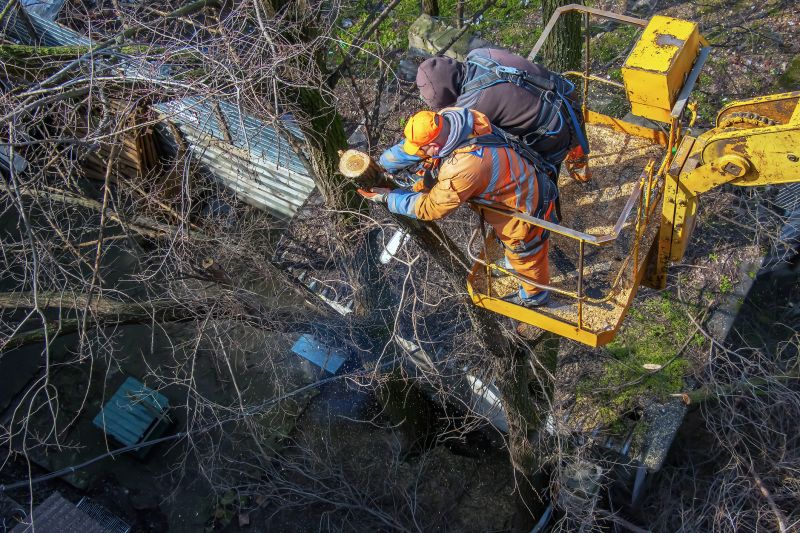
Small tweaks to make Tree Removals safer and easier to use.
| Season | Best For |
|---|---|
| Spring | Less active trees, quick recovery |
| Summer | Visibility of signs of damage, full foliage |
| Fall | Cooler weather, less sap flow |
| Winter | Dormancy, minimal landscape disruption |
Choosing the right time for tree removal depends on the specific circumstances, including the tree species, health condition, and landscape goals. Consulting with a professional can help determine the most appropriate timing to ensure safety and optimal results.
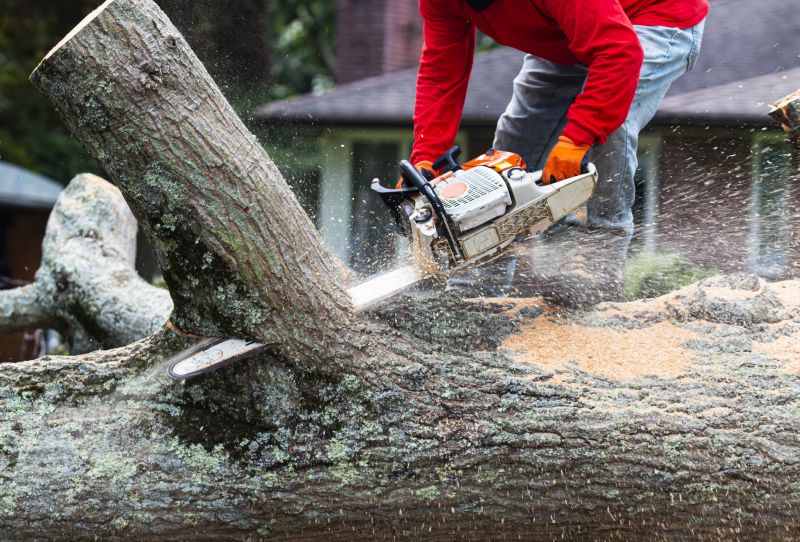
Proper planning enhances safety and efficiency.
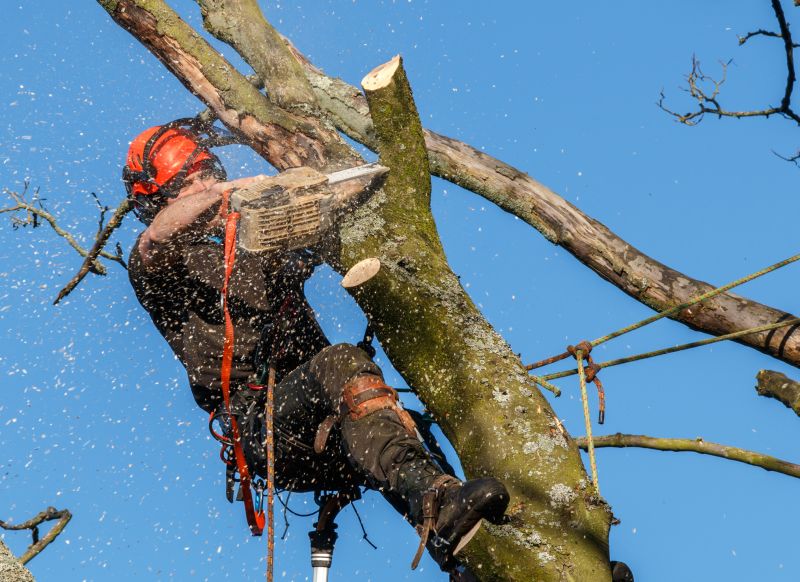
Protective gear is essential for workers' safety.
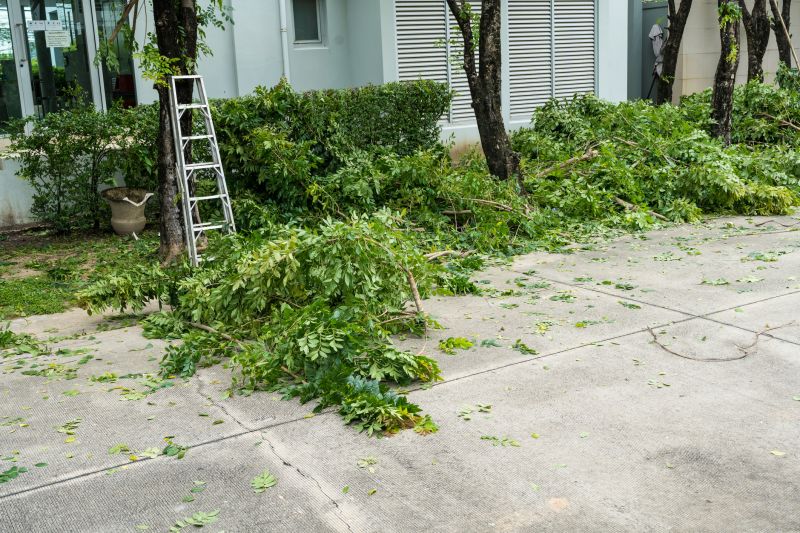
Restoration options after tree removal.
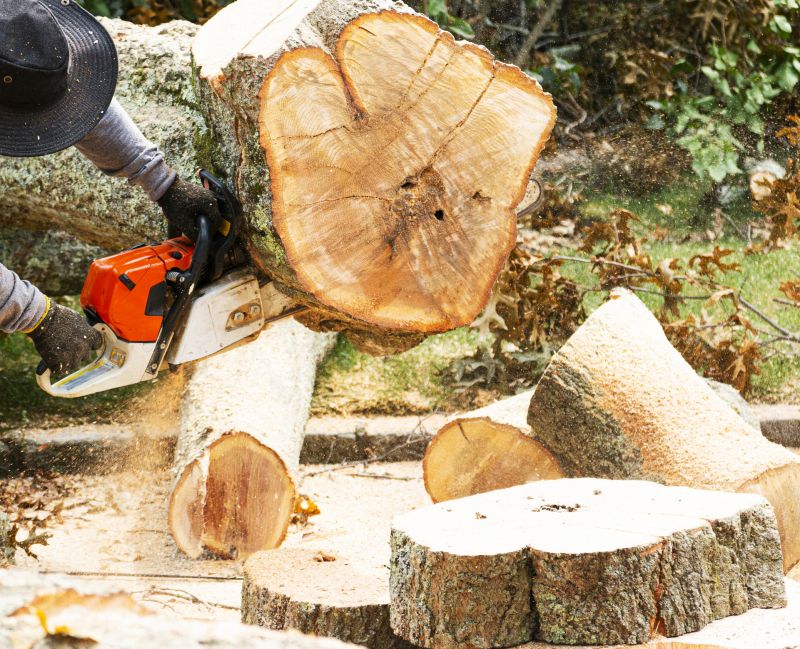
Regular checks help in early detection of issues.
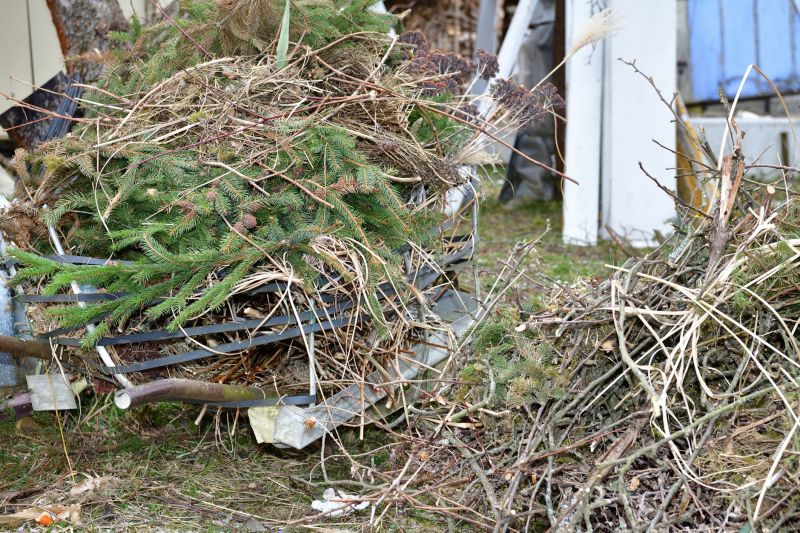
Lower-waste or water-saving choices for Tree Removals.
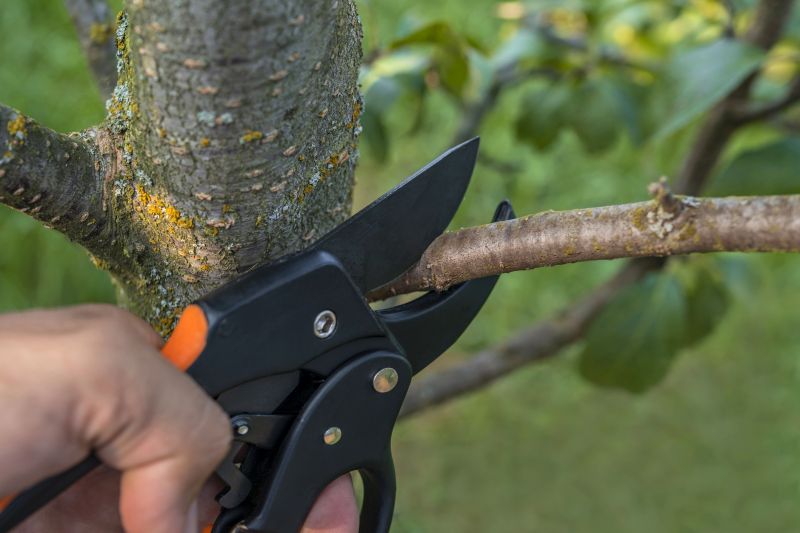
The short, realistic tool list for quality Tree Removals.
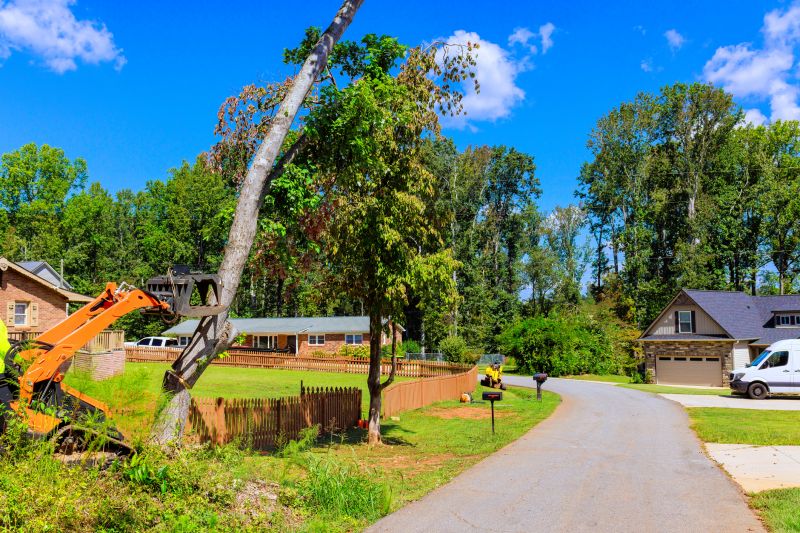
Rough timing from prep to clean-up for Tree Removals.
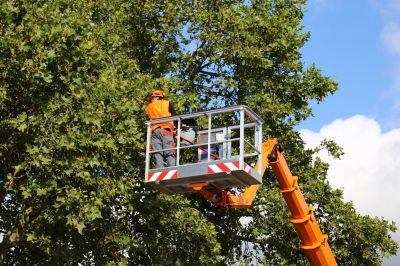
Quick checks and paperwork to keep after Tree Removals.
Interested in scheduling a tree removal or learning more about the best timing for your landscape? Filling out the contact form can provide tailored advice and assistance for your specific needs.